Contact
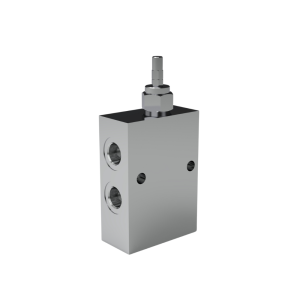
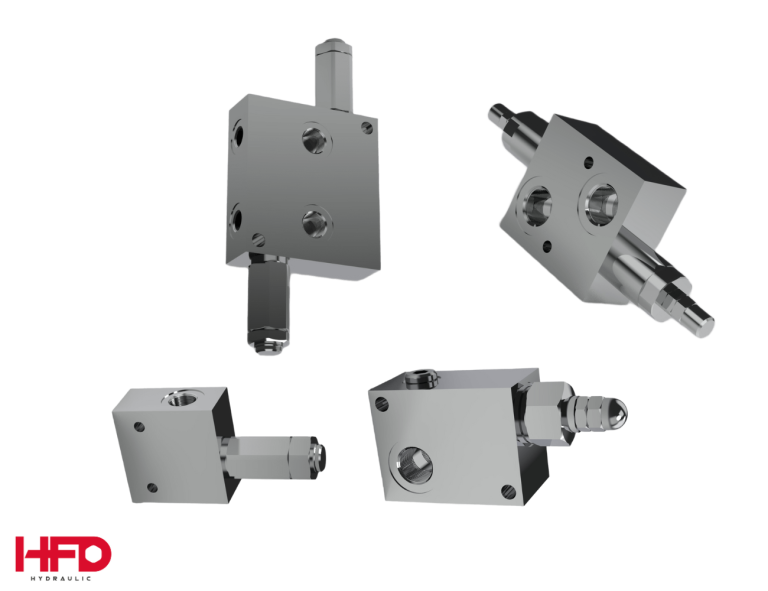
PRESSURE REDUCING VALVE WITH RELIEVING – VRPRL
Hydraulic Valve | HFDPRESSURE REDUCING VALVE WITH RELIEVING – VRPRL/U
Hydraulic Valve | HFD
Frequently Asked Questions
Pressure reducing valves (PRVs) are essential components in hydraulic and plumbing systems. Their primary function is to reduce incoming high-pressure fluid (water, oil, etc.) to a constant, lower, and safer pressure level. This ensures optimal operation and protection of equipment and piping within the system. They are also sometimes called pressure regulators.
Pressure reducing valves are found in many systems, ensuring safe and controlled fluid pressure. PRVs are vital in hydraulic systems.
Construction machinery like excavators rely on PRVs to control pressure for smooth operation and prevent component damage. Manufacturing equipment also utilizes PRVs for precise pressure control in functions like injection molding and metal pressing.
The reach of PRVs extends to agriculture, where they manage pressure in tractors and harvesters for steering, implement use, and power take-off.
Industrial processes and even some medical equipment benefit from the consistent pressure control offered by PRVs. From homes to factories and farms, PRVs play an unseen but crucial role in ensuring system efficiency, safety, and longevity.
How a Pressure Reducing Valve works
Pressure Reducing Valves play a vital role in a hydraulic component. Find out below how they work and bring a lot of contributions to the hydraulic systems.

Internal Mechanisms
PRVs primarily rely on two main internal mechanisms: diaphragm or piston. Both designs achieve the same goal but differ slightly in construction:
Diaphragm PRVs: These utilize a flexible diaphragm, essentially a disc-shaped membrane. Incoming high-pressure fluid pushes against one side of the diaphragm, while an adjustable spring on the other side resists this force. The spring tension is pre-set using an adjustment screw.
When the pressure on the fluid side overcomes the spring’s resistance, the diaphragm flexes, allowing a small opening for the fluid to flow through. This restricted passage creates a pressure drop, resulting in a lower, regulated pressure on the outlet side.
Piston PRVs: These valves employ a cylindrical piston that slides within a chamber. Similar to the diaphragm design, high-pressure fluid acts on one side of the piston, while a spring counteracts this force on the other. As the pressure builds, it pushes against the piston.
When the force overcomes the spring tension, the piston moves slightly, creating a controlled gap for the fluid to flow through a precisely sized orifice. This restricted flow reduces the pressure on the outlet side to the desired level.
Pressure Adjustment
The key to a PRV’s functionality lies in its ability to adjust the spring tension. This adjustment screw allows you to fine-tune the pressure at which the valve opens and regulates the downstream pressure.
By adjusting the tension, you essentially control the amount of force required for the fluid pressure to overcome the spring’s resistance and open the valve slightly.
This creates a smaller or larger opening for the fluid to pass through, directly impacting the pressure reduction on the outlet side.


Maintaining Constant Pressure
The beauty of a PRV lies in its ability to react to fluctuations. Regardless of variations in the incoming pressure or changes in system demand (e.g., opening or closing multiple faucets), the PRV automatically adjusts to maintain the preset downstream pressure.
For instance, if the incoming pressure from the city main suddenly increases, the higher force pushes the diaphragm/piston further, allowing a slightly larger opening to maintain the desired regulated pressure on the outlet side.
Conversely, if a faucet is opened downstream, increasing demand, the pressure on the outlet side might dip slightly. This decrease in pressure is sensed by the PRV, which then adjusts by opening slightly wider to allow more high-pressure fluid in and restore the preset downstream pressure level.
Why use Pressure Reducing Valves
Despite small in size, a pressure reducing valve has multiple uses. Here are the multiple roles this particular valve plays:
Pipes and Equipment Protector

Equipment Lifespan Extender

Safety Promoter